City Breaks
Pharaohs, pyramids, and the timeless Nile
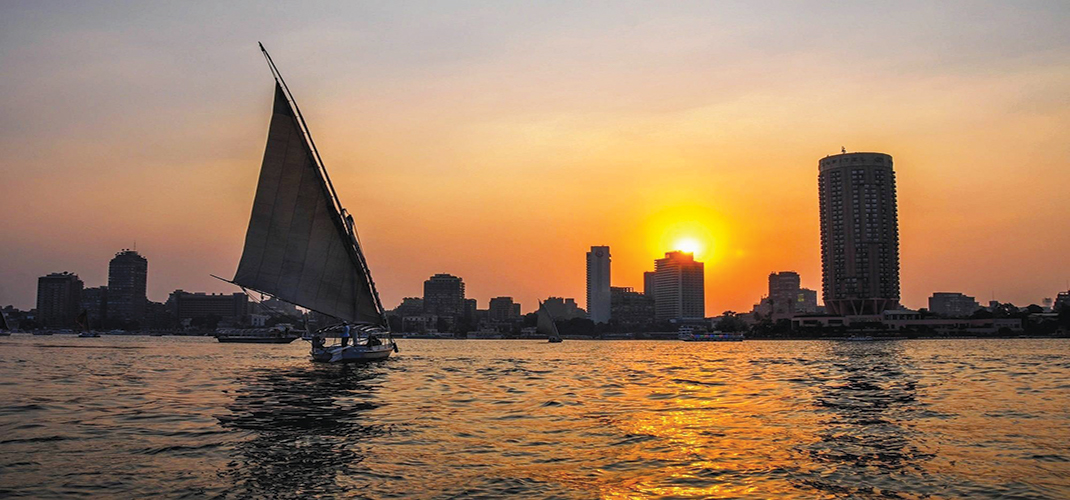
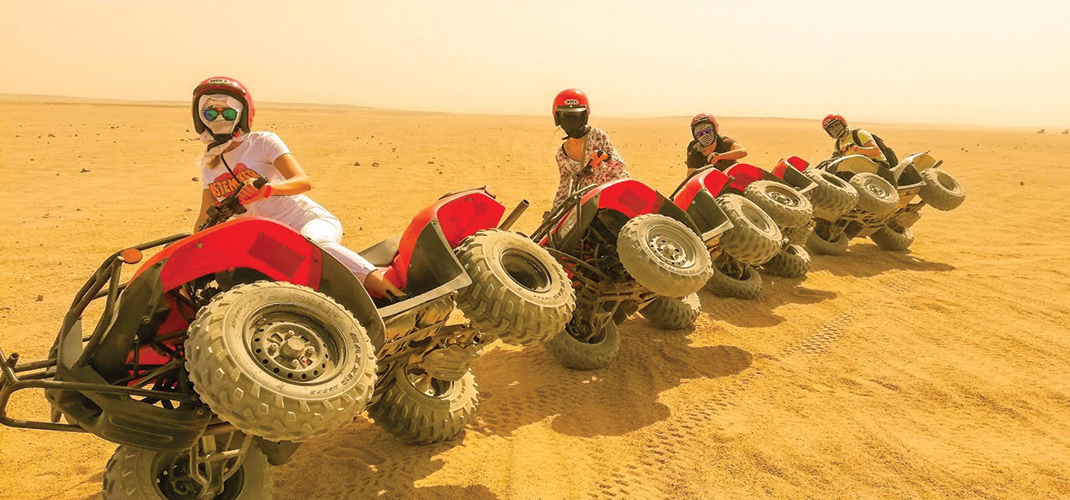
Egypt is home to ancient pharaohs and stunning temples and tombs. It also has deserts for off-road adventures, and world-famous reefs, beach resorts and diving opportunities along the Red Sea, as well as the adventures visitors most love to come and do: visiting the Seventh Wonder of the Ancient World, the Pyramids of Giza, or cruising on the River Nile.
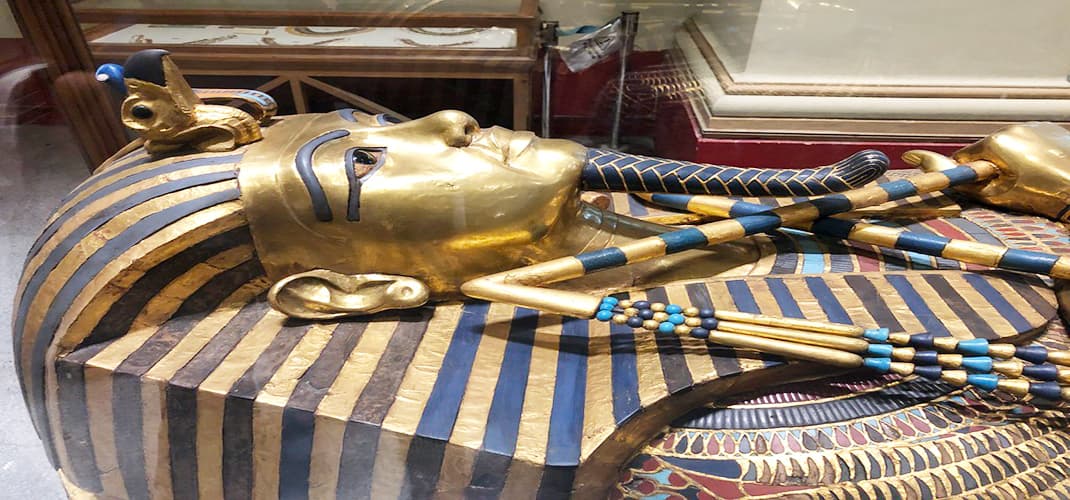
Cairo, the capital, is a sprawling metropolis sitting on the edge of the desert. This vibrant city is jam-packed with mosques, monuments and a maze of souqs for you to visit, selling anything from spices and ceramics to perfume. The Al-Azhar Mosque and the incredible Sultan Hassan Mosque are a must-see, and be sure to climb up to the roof of the ancient medieval gate of Bab Zuweila for the best views over the city. A visit to one of the world’s greatest museums, the Egyptian Museum, is a must to see the collections from the world of the pharaohs. The star attraction is the collection of golden treasures unearthed from Tutankhamen’s tomb in the Valley of the Kings. However, from November 2022, some of the museum’s treasures will be transferred to the new Grand Egyptian Museum (GEM) in Giza, located near the Pyramids. GEM will finally provide this world-class collection with a worthy stage for Tutankhamen’s treasures, many of which have been kept in storage for years.
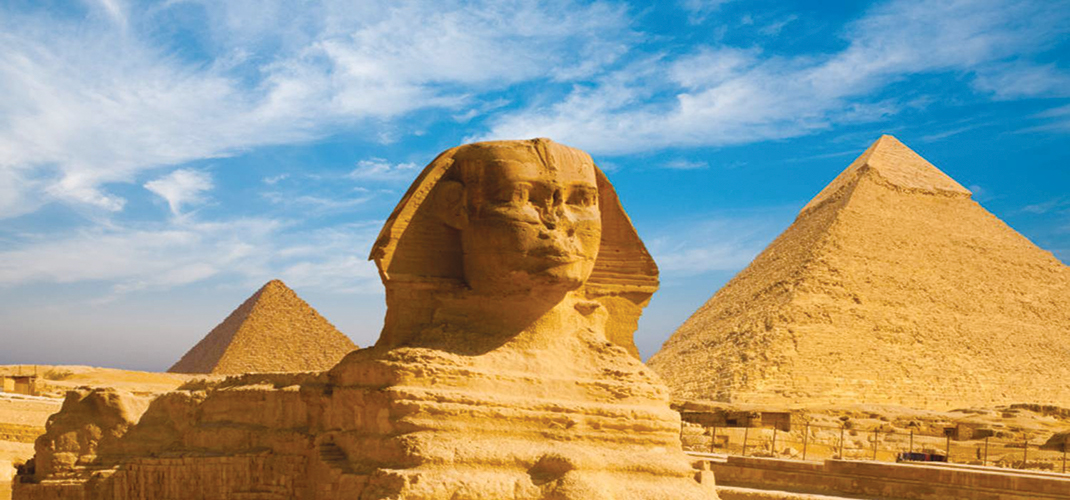
No visit to Egypt would be complete without seeing the Great Pyramids of Giza. According to Herodotus, 100,000 men worked for three months every year on the construction of the Great Pyramid, built by the pharaoh Khufu (commonly referred to as Cheops). This colossal structure is some 2.3 million cubic metres excluding the rock foundation and the interior chambers. The base measurement is 227.5 metres and the vertical height is 137.2 metres. The Pyramids can be visited on a day trip from Cairo.
Saqqara is also a day trip from Cairo. This immense necropolis of tombs and pyramids is best known for its Old Kingdom Step Pyramid, which shows how the architects of ancient Egypt advanced their engineering knowledge to finally create a true pyramid shape. Besides the Step Pyramid, there are other tombs, including the Mastaba of Ti, and nearby is the pyramid site of Dahshur, home to the Red Pyramid and the Bent Pyramid.
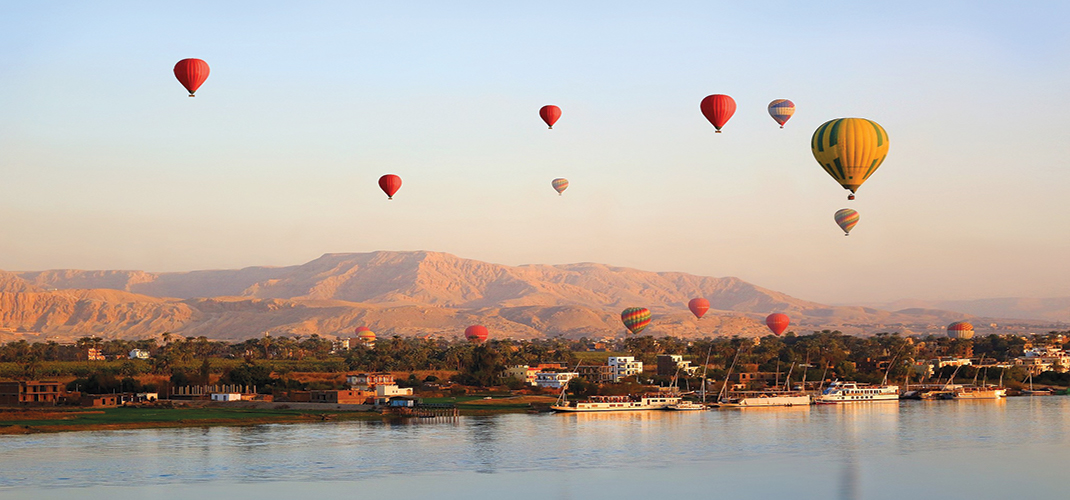
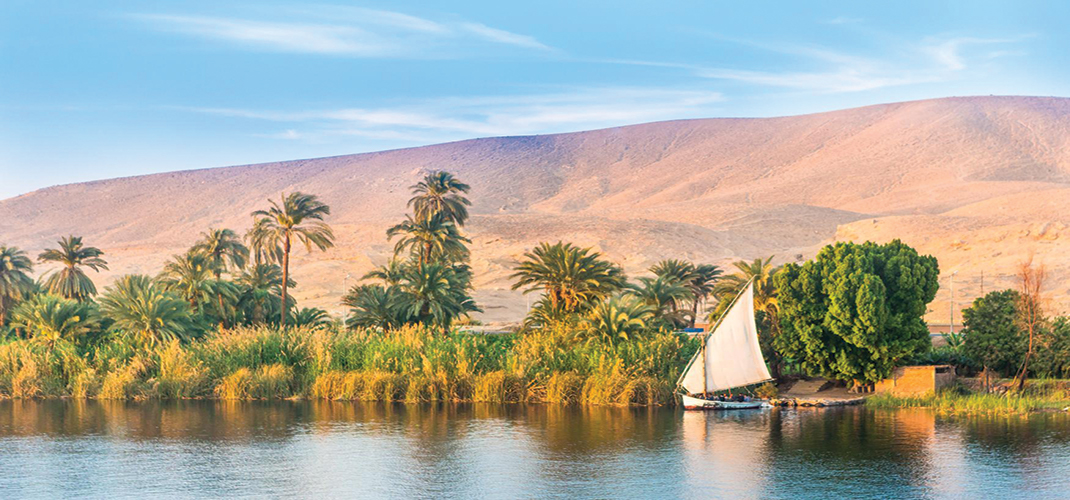
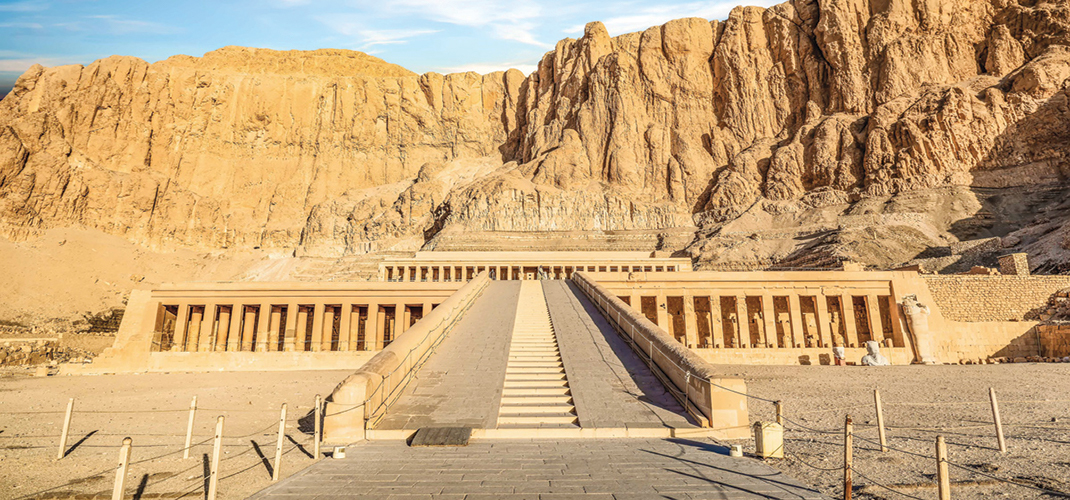
Luxor is famously known worldwide for the Valley of the Kings, Karnak Temple and the Memorial Temple of Hatshepsut. The East Bank of Luxor is the modern area of the city, with museums, souqs and the Temple of Karnak. The West Bank is lush farmland and is where most of the city’s tourist sights are located. Luxor offers so many things to do that you could easily lose yourself here for a few days, including taking a cruise on the Nile, passing the temples that line the banks of the river between here and Aswan. Two amazing sights you will experience on any Nile cruise are Edfu’s Temple of Horus and the Temple of Kom Ombo while enjoying amazing sunsets and stunning scenery.
Approximately 80 km from Luxor, you will find the Temple of Hathor at Dendara. Built in the late Pharaonic era and extended during the Roman period, it was an important cultural centre from early on in ancient Egyptian history. The reliefs and decoration are superbly preserved, in particular in the Hypostyle Hall, which was built by the Roman emperor Tiberius. The columns here are topped by heads of the Egyptian goddess Hathor, and the wall reliefs show the emperor paying tribute to the Egyptian gods.
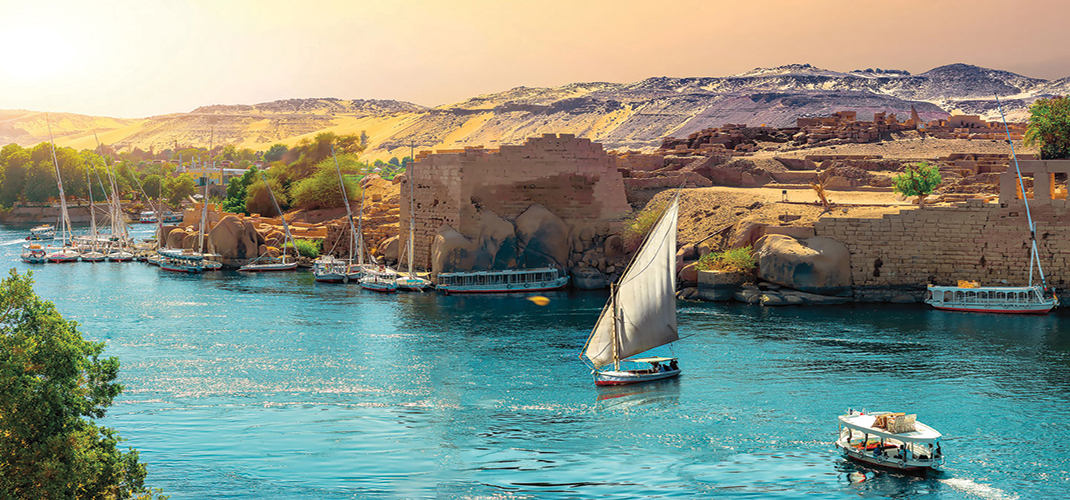
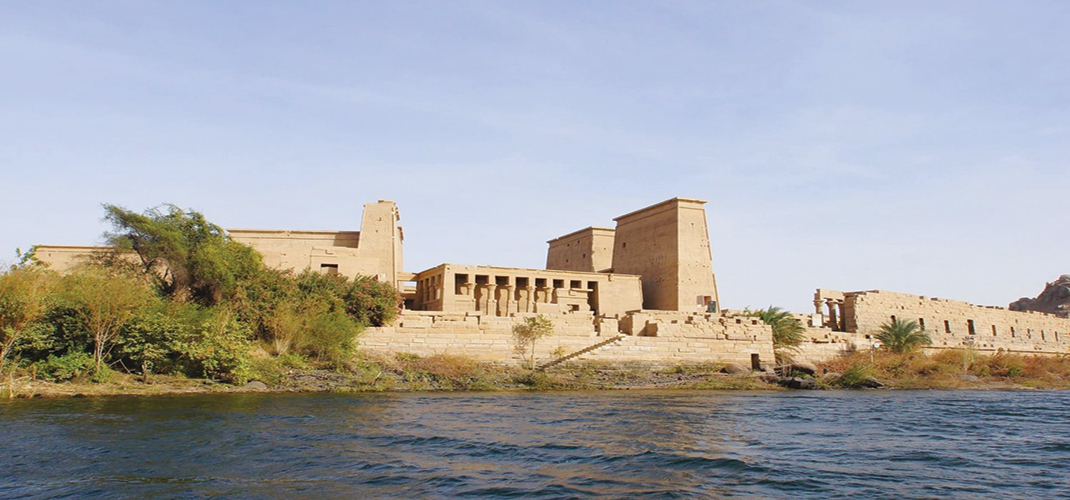
Aswan is located along the meandering curves of the Nile with a backdrop of orange-hued dunes. Taking a ferry ride to Elephantine Island or strolling around the Nubian villages is a must. Don’t forget to take a camel ride to the desert Monastery of St. Simeon on Aswan’s East Bank. Another relaxing and popular option is to hop on board a felucca at sunset and sail around the Aswan Islands. Close by, there are a large number of historic sites to visit, including the Philae Temple.
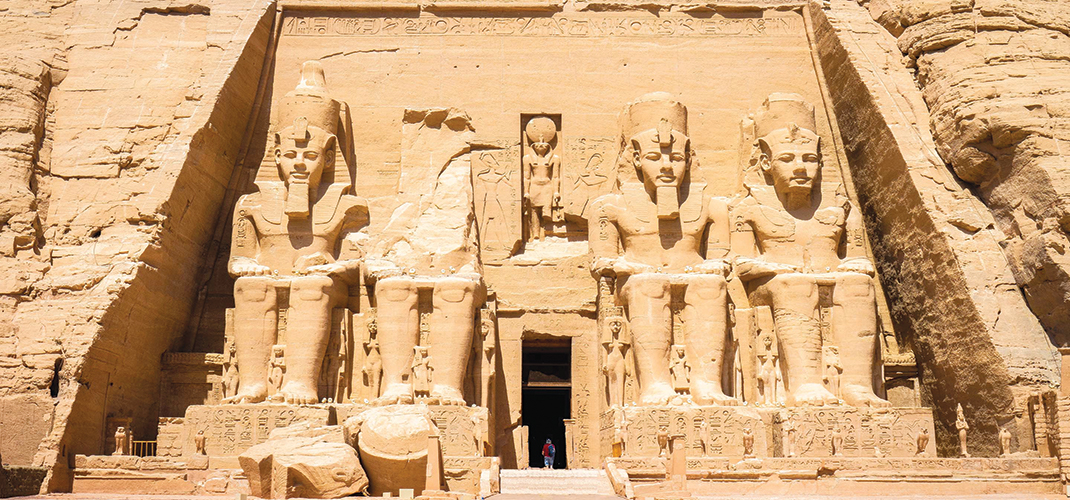
Abu Simbel is quite an extraordinary place to visit, with sights like Ramses II’s Great Temple, adorned with colossal statues standing guard outside. Abu Simbel is also known for the phenomenal engineering feat carried out by UNESCO in the 1960s, which saw the whole temple moved from its original setting to save it from vanishing under the rising water of the Aswan Dam.
The Mediterranean port city of Alexandria was founded by Alexander the Great and was home to Cleopatra. It has a long seafront Corniche, and underwater archaeological projects have filled Alexandria’s museums with fascinating exhibits. The modern Bibliotheca Alexandrina is a contemporary interpretation of Alexandria’s famed ancient library, and another historic site is the atmospheric Catacombs.
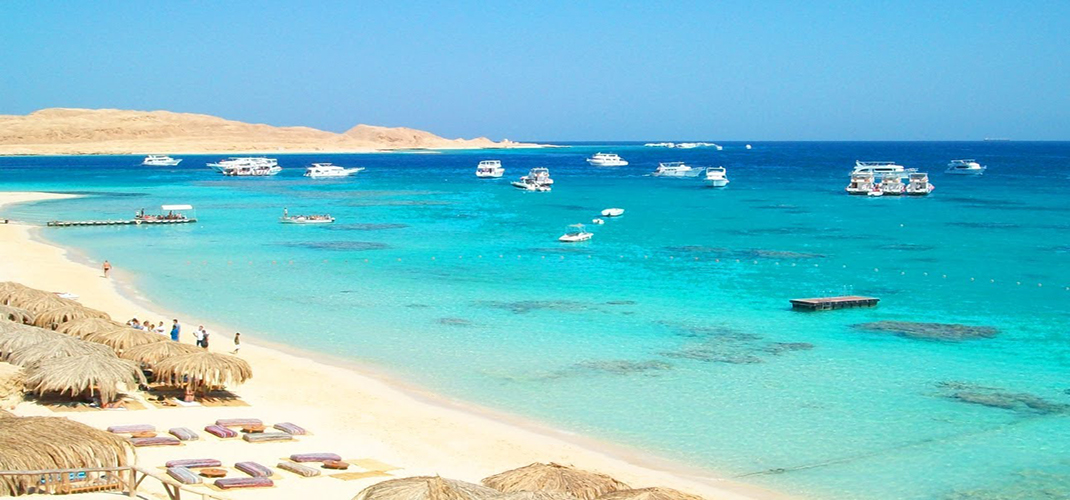
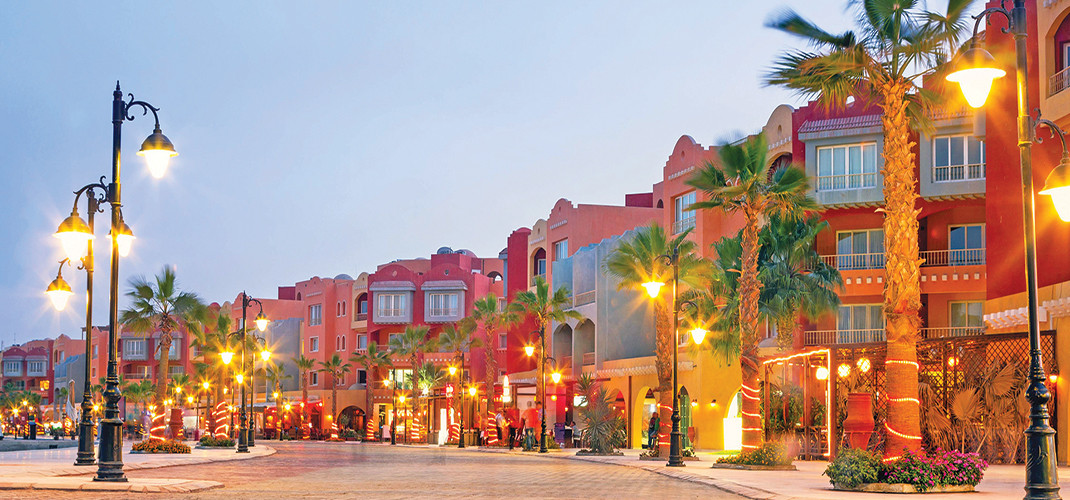
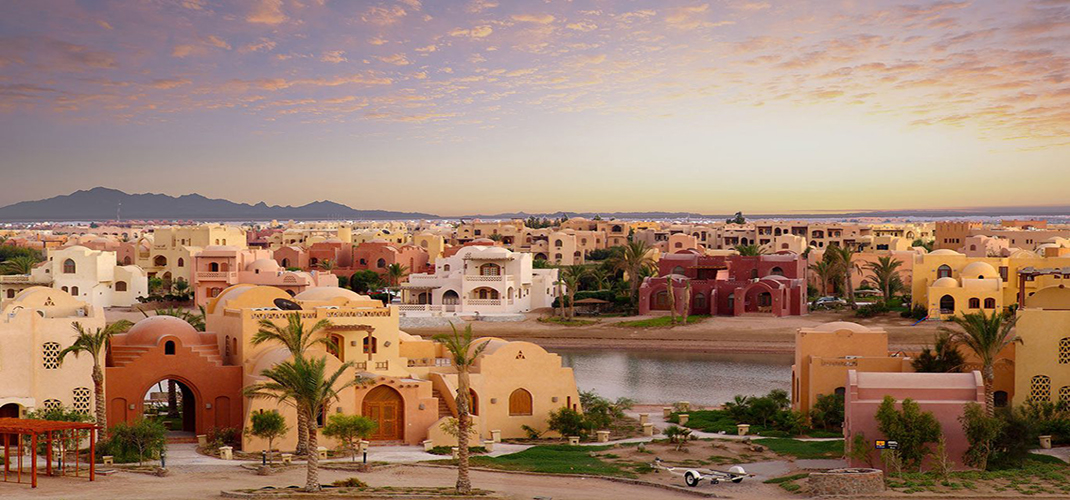
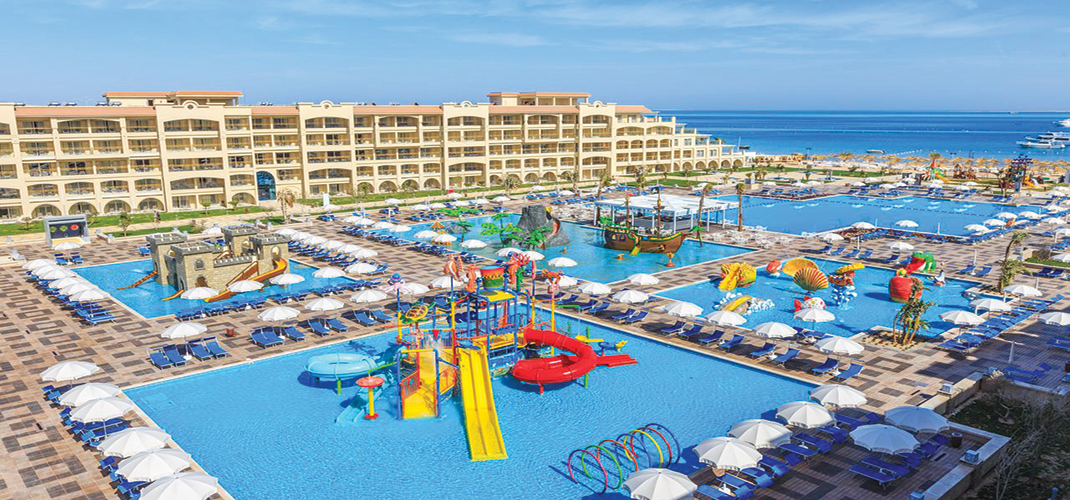
For those interested in water sports, the coral reefs of the Red Sea are renowned among scuba divers for both their soft corals and their huge variety of sea life, ranging from colourful reef fish and nudibranchs to sharks, dolphins, turtles, rays and dugongs. Other dive sites include the Straits of Gubal, which can be reached from Hurghada or El Gouna on the Red Sea coast. The beach resort town of Hurghada, located along the Red Sea coastline, offers approximately 40 km of sandy beaches, with great restaurants, bars and nightlife, while the Old Town of El Dahar has traditional Egyptian coffee shops and souqs.
Situated on the Sinai Peninsula, South Sinai offers great beach locations, including Sharm el-Sheikh, a European-style resort town full of luxury hotels and restaurants. Dahab is a low-key beach resort with a focus on desert excursions, diving, kitesurfing and windsurfing.
At the foot of Mount Sinai, where Moses is said to have received the Ten Commandments, sits one of the oldest monasteries in the world, St. Catherine’s, set amongst the desert mountains of the Sinai Peninsula. This desert monastery is home to an incredible collection of religious iconography, art and manuscripts, as well as the burning bush. The best time to hike up when visiting St. Catherine’s is at sunrise or sunset. Take the camel path for an easier route, or climb the famous Steps of Repentance if you want even better views.
Siwa, a picturesque little oasis surrounded by date palm plantations and numerous hot springs, sits in isolation in the western corner of the Western Desert. Siwa town is centred around the ruins of a vast mud-brick citadel, known as the Fortress of Shali, which dominates the town, while various temple remnants, including the Temple of the Oracle where Alexander the Great is said to have come to receive advice, are scattered throughout the wider oasis area. There is so much more to see and do in Egypt; a visit here will leave you wanting more.
October–April
Speak to one of our specialists to find the perfect Egypt city break for you.
Get a QuoteStart Planning Today
Our travel specialists are ready to design the perfect itinerary for you: whether it's your first time or your fifteenth.
Mon–Fri 09:00am–17:00pm AEST · No obligation · Free expert advice